I recently had the opportunity to meet the Variant Effects Program research team at the University of Washington in Seattle, and WOW! I don’t know that I’ve ever met a group of more passionate, and compassionate researchers. CSC was introduced to the Variant Effect Program team leaders through the Rare As One network more than a year ago. From our first conversation, I knew this collaboration had incredible potential.
This spring, CSC provided secure data from our own CLOVES Syndrome Registry to help move the UW Variant Effect Program forward in their understanding of how different PIK3CA variants cause conditions like CLOVES Syndrome, and how different variants may affect treatment outcomes.
At my meeting with them, the team shared initial results that are incredibly promising. As our registry grows and provides more data, the UW Variant Effects Program team may be able to illustrate the way specific variants affect a person’s experience of their condition over time.
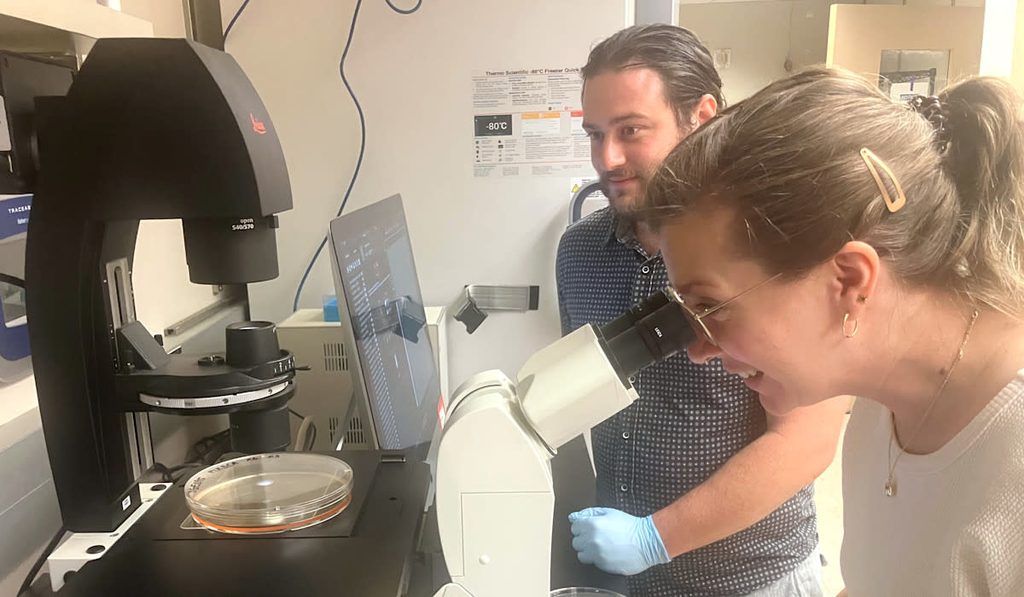
The Variant Effects Program wrote an article about our visit, which goes into more detail about their project and the impact CSC’s visit had on the team and their work.
This program and partnership represents an incredible crossroads for our CLOVES community, and for all people with PIK3CA-related conditions.
So, how can you help maximize the impact of this important program?
First, if aren’t yet part of our patient registry, visit https://clovessyndrome.iamrare.org/ to learn more and join.
If you are already a member of the CLOVES Syndrome Registry, please check to see if you’ve included your/you child’s specific genetic mutation in your survey responses. That data is what helps the Variant Effect Program’s research connect variants to lived experiences, which is why its so vital to include if you have it.
We are so grateful for this new partnership with the University of Washington Variant Effects Program and can’t wait to see what we can learn through our collaboration with them.
–Lauren Beauregard, Executive Director, CSC